1 in 3
Cement that never becomes a wall
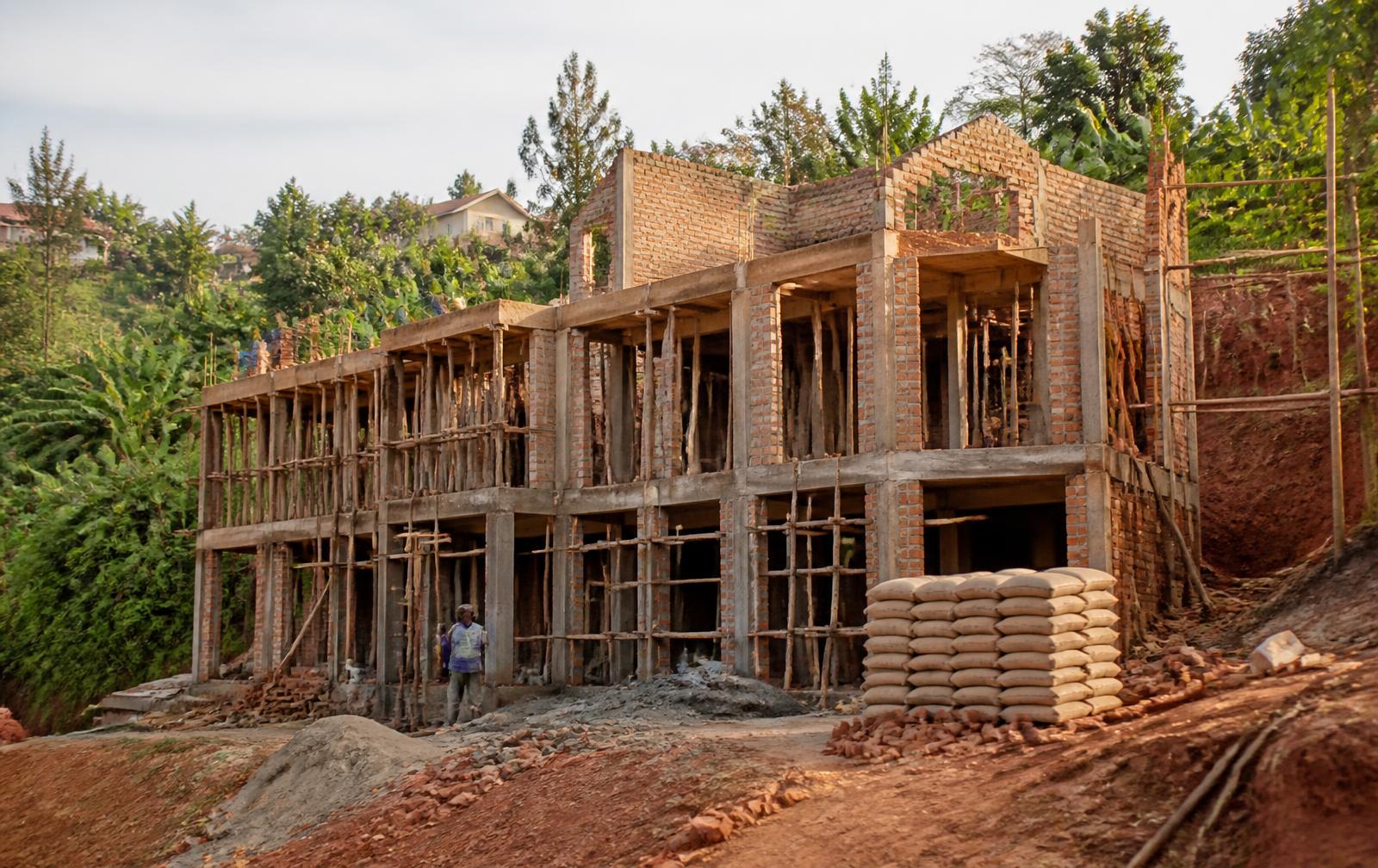
Materials bought and never delivered. Ghost workers on the payroll. Slabs cast before anyone qualified looked at the steel. A family's life savings vanish into a half-built shell in Gayaza.
Kampala · Uganda · East Africa
The fundi who disappears with the deposit. The cement that never reaches the site. The rent paid in cash with no record. TruHab replaces promises with proof — timestamped photos, GPS-stamped work and money held by a licensed bank until the job is truly done.
Works offline · Luganda & Swahili
The problem
The plumbers, masons and engineers of this region are skilled. What is missing is the layer that records what happened, who did it, and where the money went.
Materials bought and never delivered. Ghost workers on the payroll. Slabs cast before anyone qualified looked at the steel. A family's life savings vanish into a half-built shell in Gayaza.
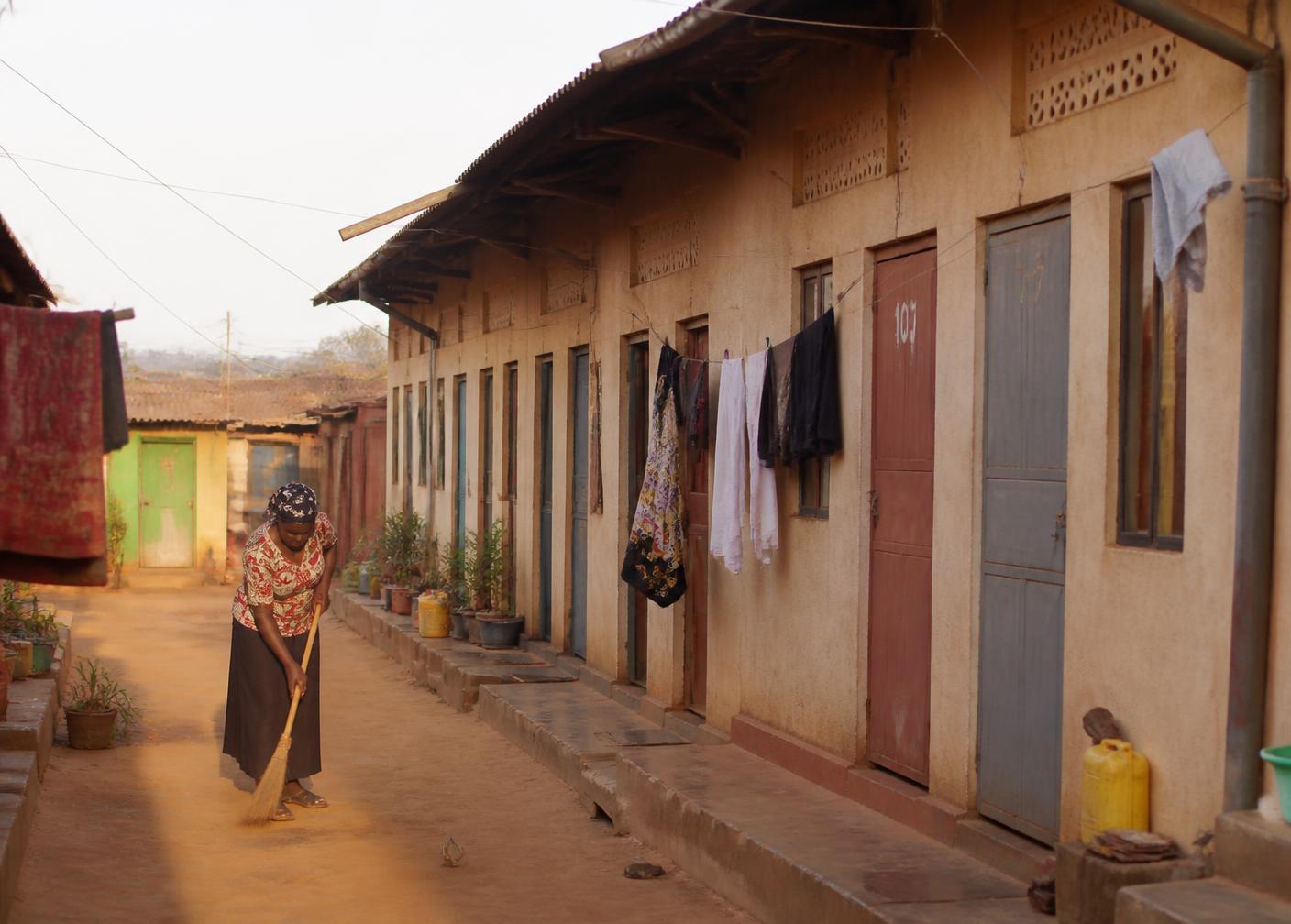
Deposits paid by mobile money to a personal number. No lease, no receipt, no record of the cracked window that was already there on move-in day. When the dispute comes, it is one word against another.
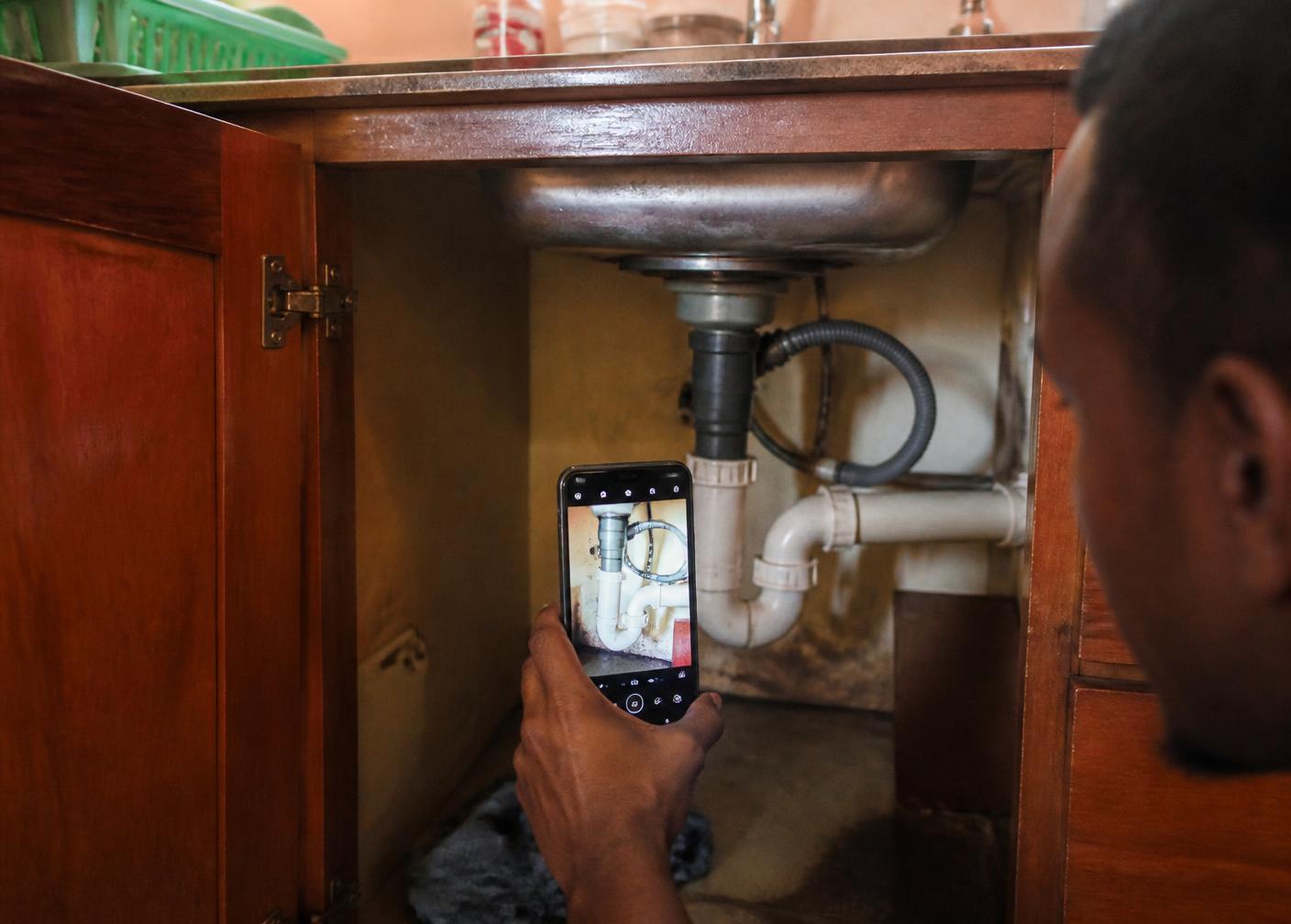
You pay upfront because that is how it is done. The leak returns in two weeks. The number goes dead. There is no rating, no history, nobody to hold accountable.

Kadogo shopping, school fees, the maid's advance, Yaka tokens, the shamba boy's NSSF. All of it tracked in someone's head, or in a notebook that gets lost.
The people behind the work
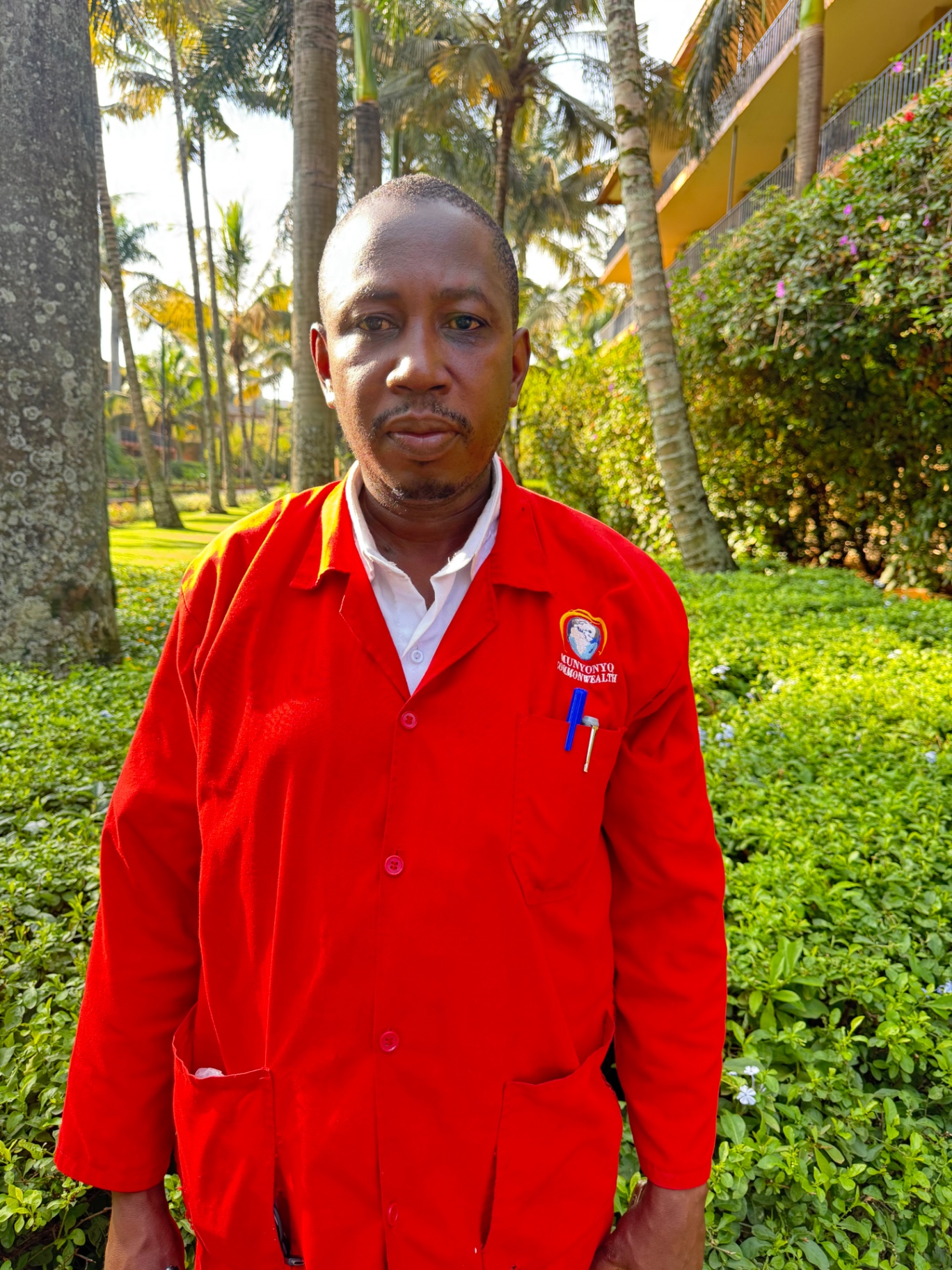
NIRA-verified identity. A ten-second video introduction. Vouches from neighbours who already hired them. A Reliability Score that drops the moment a job is abandoned.
Ssemakula D.
Electrician · Ntinda
214 jobs · photo-proofed
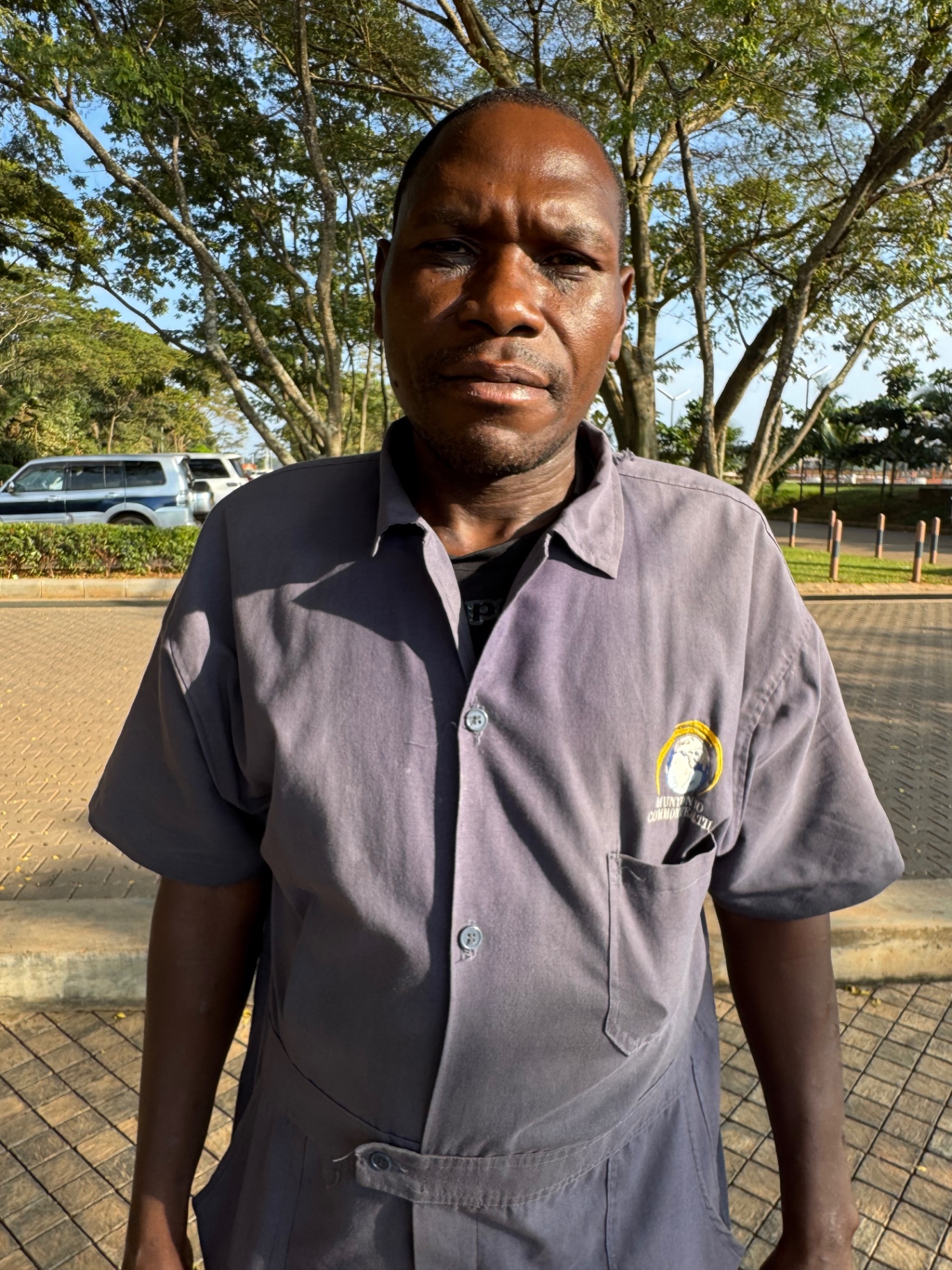
Okello J.
Plumber · Kireka
178 jobs · photo-proofed
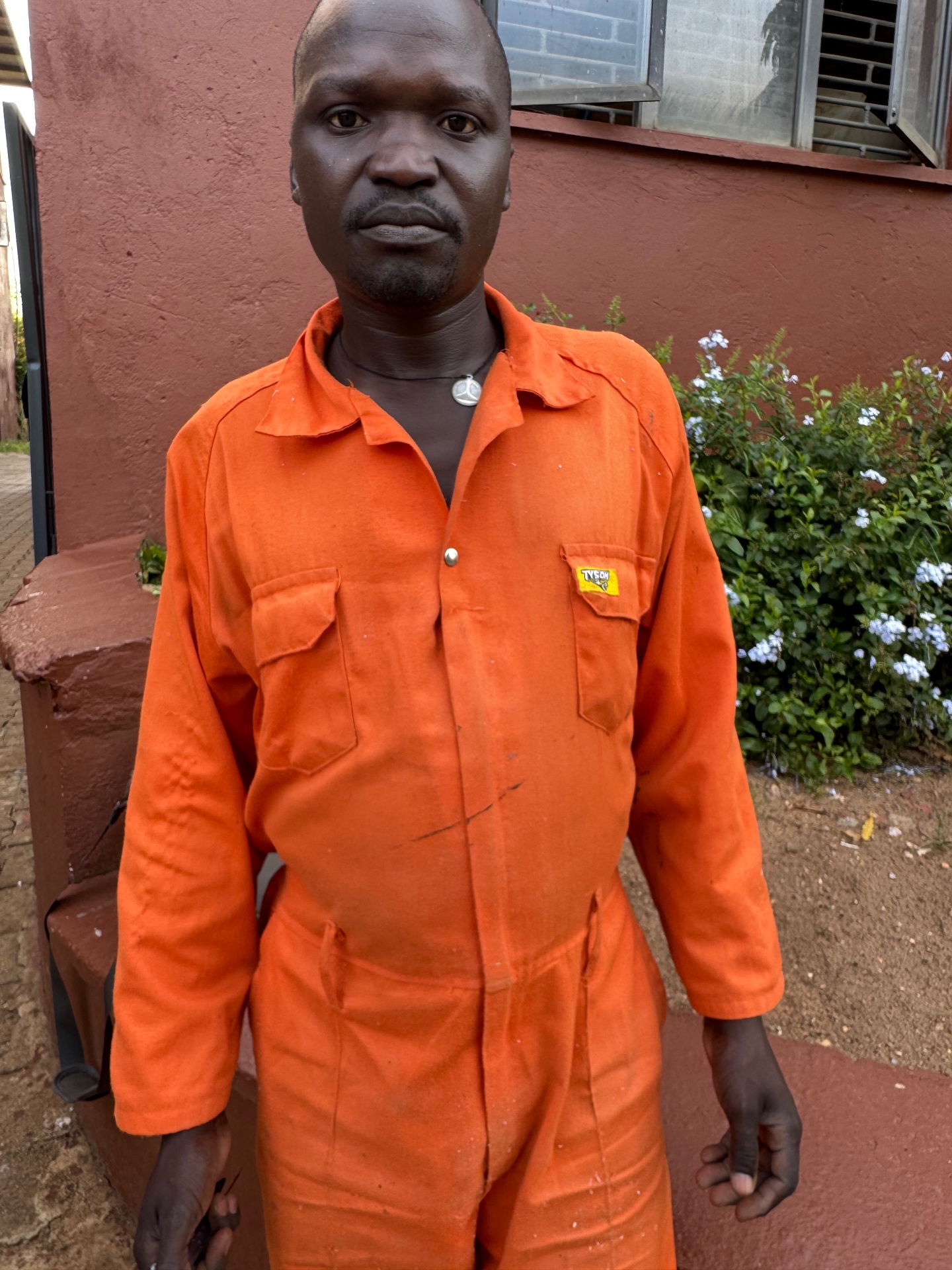
Mugisha P.
Painter · Kyanja
96 jobs · photo-proofed
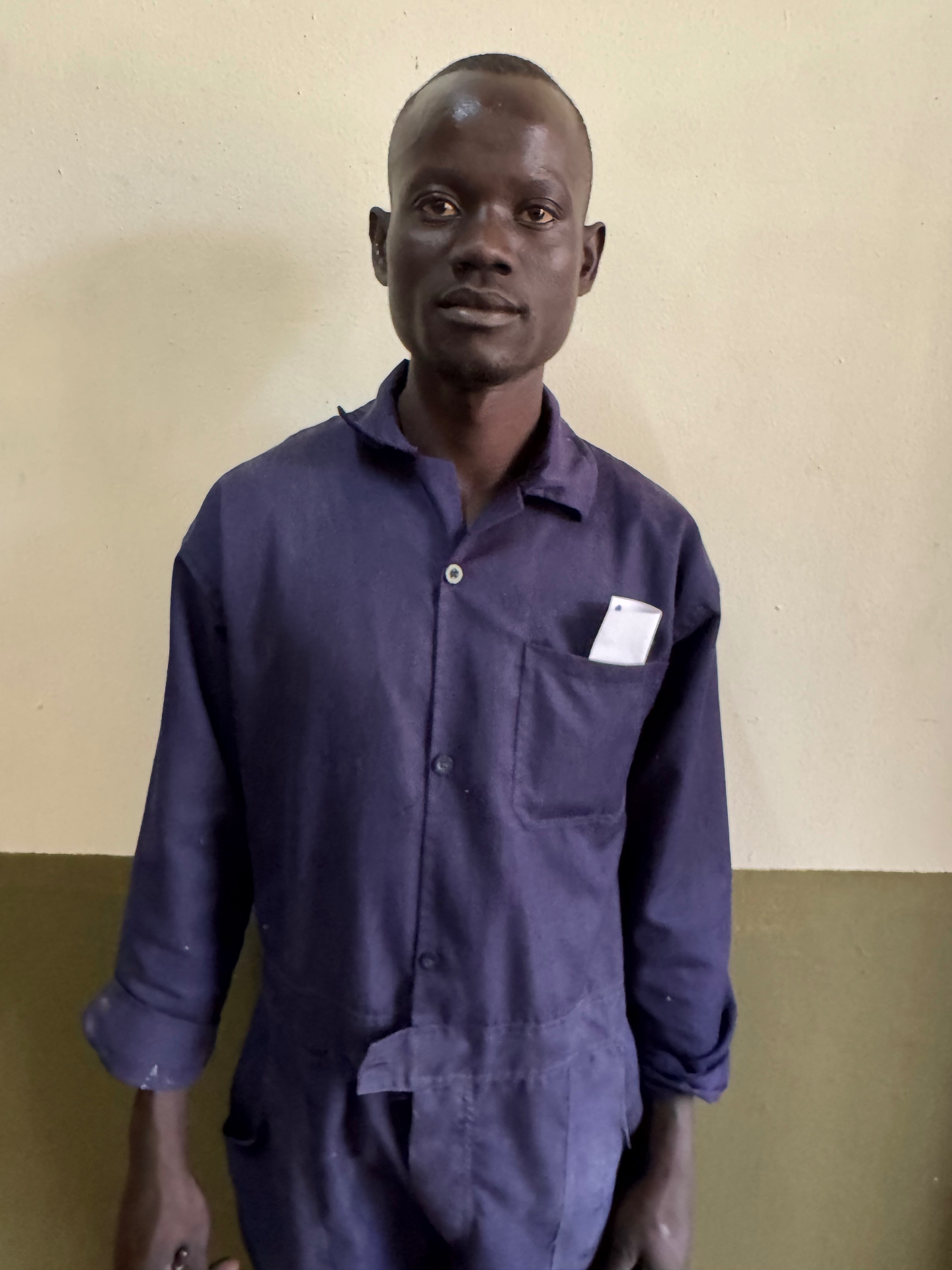
Wasswa T.
Mason · Gayaza
143 jobs · photo-proofed
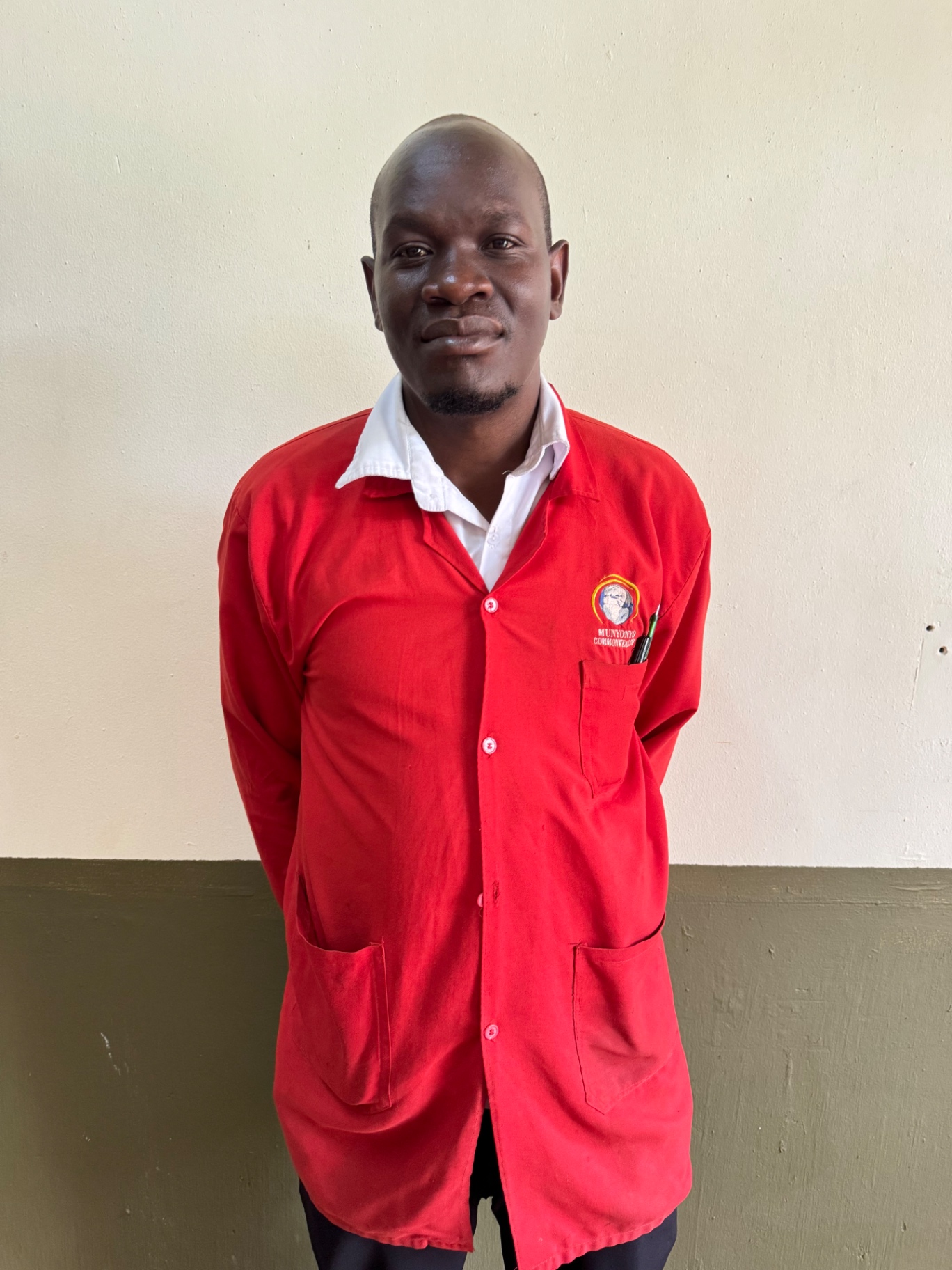
Kirya B.
AC Technician · Bugolobi
87 jobs · photo-proofed
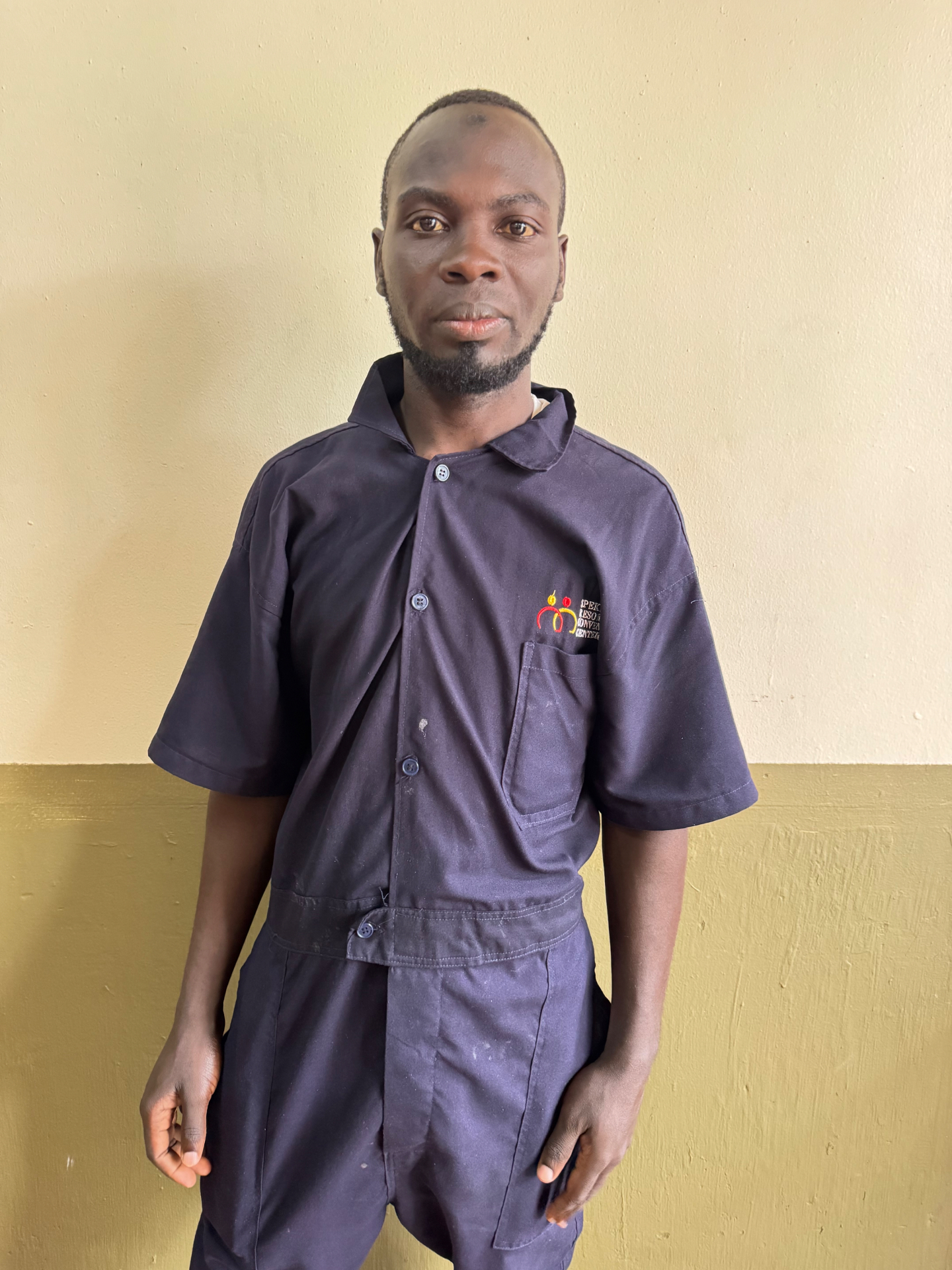
Ainebyona R.
Site Foreman · Wakiso
61 jobs · photo-proofed
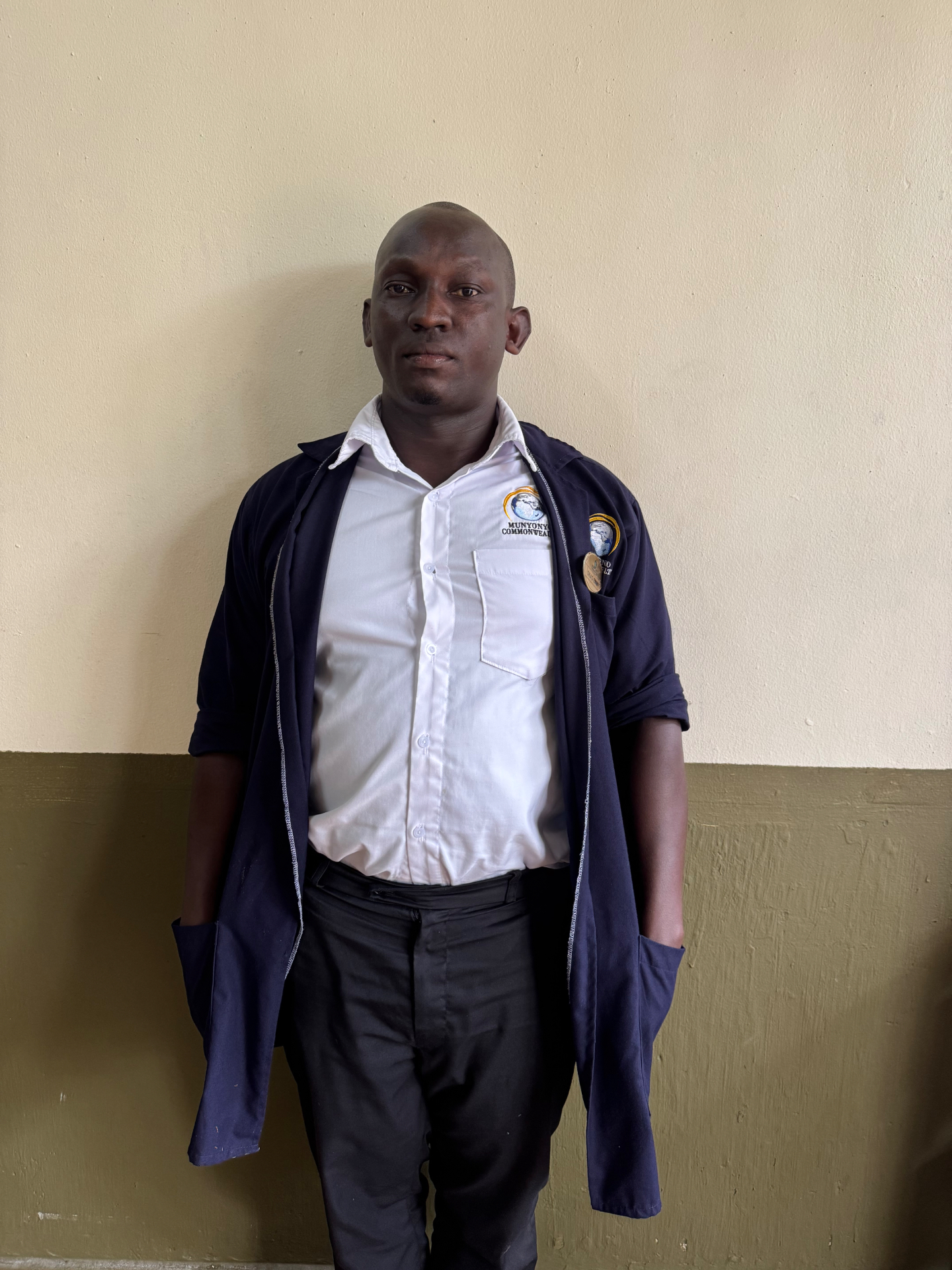
Eng. Nsubuga M.
Verified Engineer · Kampala
39 jobs · photo-proofed
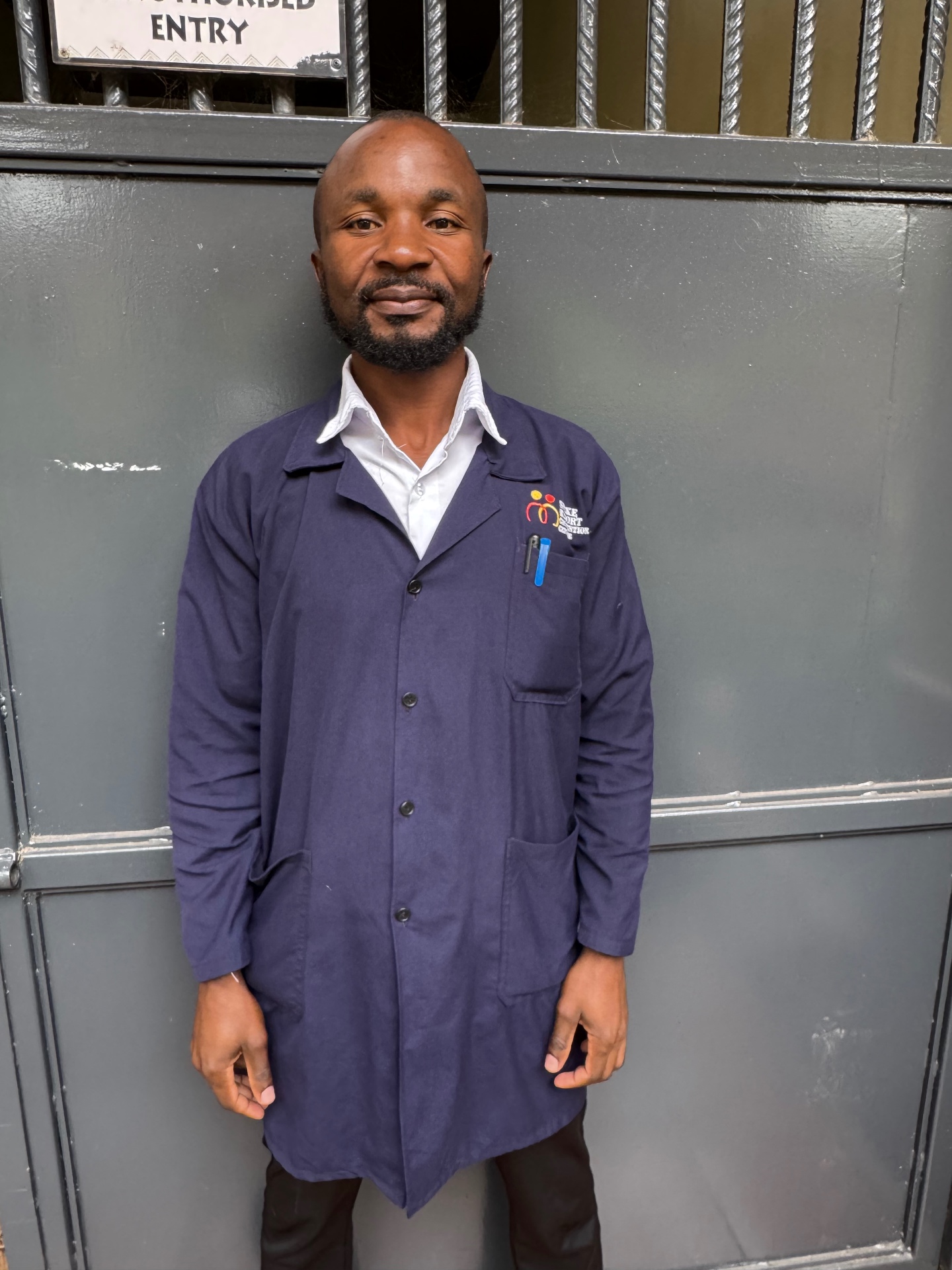
Katumba S.
Lab Technician · Nakawa
122 jobs · photo-proofed
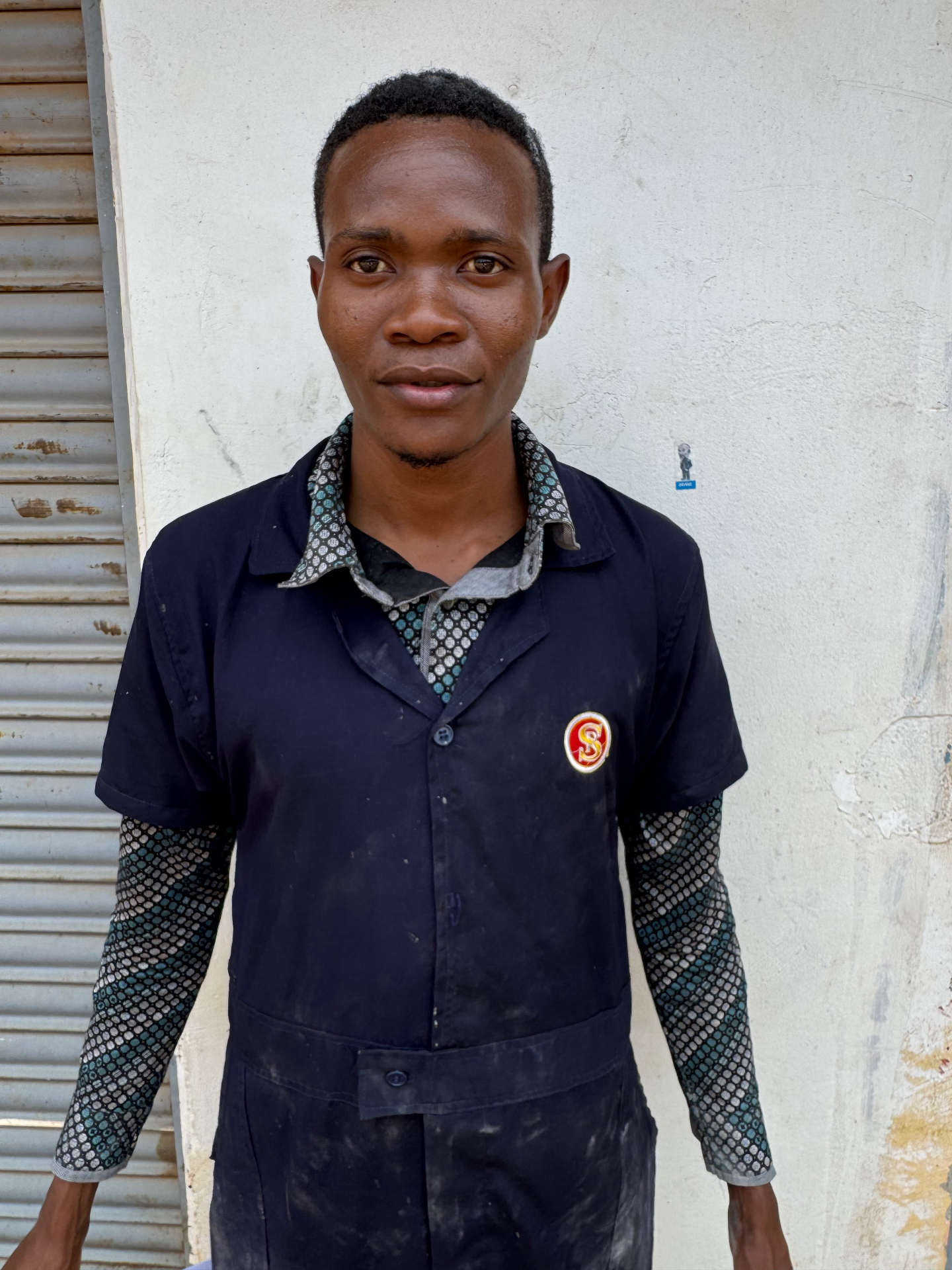
Byaruhanga A.
Welder · Nalukolongo
168 jobs · photo-proofed
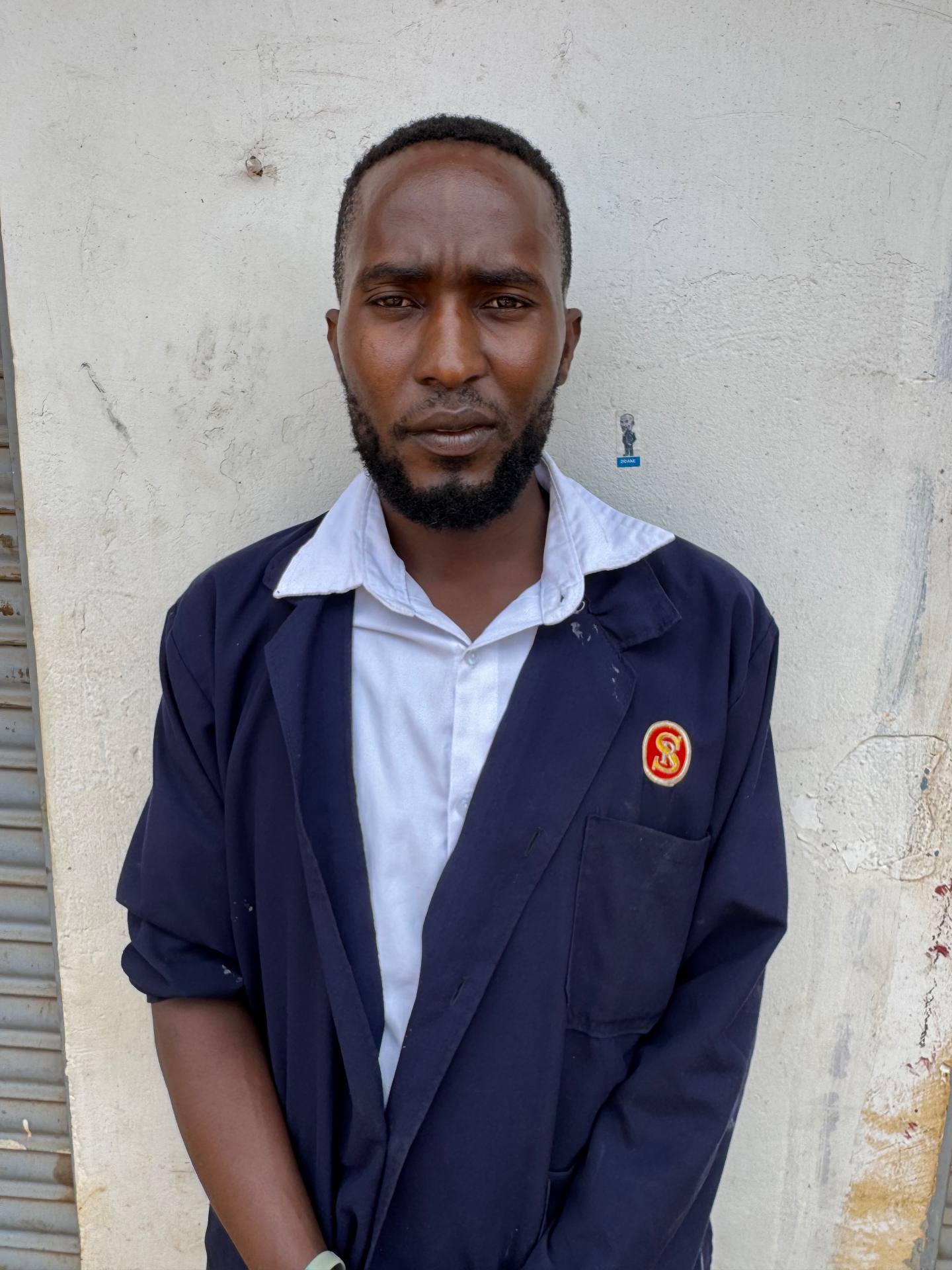
Mwesigwa H.
Carpenter · Kawempe
105 jobs · photo-proofed
The solution
The agreed price is locked into an escrow account held by a licensed bank — Stanbic, Centenary or DFCU. TruHab never touches your shillings.
Before, during, after. Every photo carries a GPS location and a timestamp that cannot be edited after the fact.
Not a star rating from memory — an image of the finished work. On a site, a verified engineer must upload a ten-second video before the milestone unlocks.
The bank releases the balance, commission is deducted, and 5% retention is held through the defect period so the fundi has a reason to come back.
Three realities, one system
Pillar one
Twenty service categories, from plumbing to salon to generator repair, booked with the price locked in escrow. Kadogo-sized market shopping logged straight into your accounts. Maid and shamba boy records with NSSF and salary advances. A Morning Glance screen with the load-shedding schedule, Yaka balance and rent due dates.
Pillar two
WhatsApp-group chaos becomes a structured tenancy. Landlords see every unit colour-coded by rent status, issue notices compliant with the Landlord and Tenant Act 2022, and export a URA tax report in one tap. Tenants get a NIRA-signed lease and a portable Tenant Passport built from real payment history.
Pillar three
Five phases, twenty-plus stages, each with planned cost, actual cost and photo evidence. Slab, ring beam and roofing stay locked until a verified engineer signs off on video. Diaspora funders receive a monthly progress recap they can watch on WhatsApp.
The fourth reality
When someone in the house falls sick, the questions are the same ones TruHab already answers: who is qualified, what does it really cost, and does my money move before or after the service is delivered? Health is woven into the resident experience — and strong enough to stand on its own.



A short questionnaire suggests likely causes and the medicines that treat them, priced in shillings — and flags red-flag combinations that mean go to hospital now, not tomorrow.
Verified pharmacies list generic name, strength, price and whether a prescription is needed. Your money sits in escrow until the pharmacy uploads delivery confirmation. 2% commission.
Every hospital scored 0–100 from Ministry of Health grades, patient ratings, equipment availability and waiting times. Filter by distance, quality or speciality.
NIRA-verified doctors browsable by qualification, language, fee and rating. The fee locks in escrow, you get a QR ticket, and funds release once you confirm — after notes and prescription are uploaded.
One button shows the nearest registered ambulances. Dispatch locks an estimated fee in escrow with live GPS tracking, released only when the hospital confirms drop-off.
One app, infinite personal realities
One identity, one login. Tap the asset switcher at the top and the entire dashboard, toolset and navigation reshape instantly — with a NIRA-verified badge and a permanent “Bank Escrowed” indicator always in view.
Your own home or family residence
Kansanga Heights · KAM-04B
A property you rent out, or the unit you live in
Ntinda Unit 2 · NTD-12
An active build, from groundbreaking to handover
Mukono Site · MUK-SITE
A parent record over many units, splitting shared costs
Security · garbage · common power
Role-based permissions
If a person does not have permission, the button does not exist for them. No warnings, no accidents, no arguments.
Beyond a services marketplace
Booking a plumber is the door. What keeps a family here is everything a home actually runs on — staff, savings circles, relatives to support, and a site that needs watching when you are not there.
Maid, shamba boy, askari, driver — each with a contract record, agreed salary, leave days, NSSF contributions and salary advances tracked against the month. Payday is one tap to MoMo, with a receipt both sides keep. No more disputed advances remembered differently.
Your savings group lives inside TruHab instead of a notebook. Members contribute to a verified household goal — school fees, a roof, a plot deposit — see the running balance, and the payout order is recorded so nobody argues about whose turn it was.
Fund a student in Mbarara or a parent in the village without wiring blind cash. Send money ringfenced to rent, groceries or fees, see the receipts as they are logged, and get a nudge when something is unpaid — support with visibility, not surveillance.
A low-cost camera watching the material store and the pour. Time-lapse of every construction day, motion alerts after hours, and footage bound to the same evidence chain as the photos — so a cement delivery that never arrived has nowhere to hide.
A week with TruHab
Not dashboards for their own sake. Ordinary moments in an ordinary week — each one with the argument taken out of it.
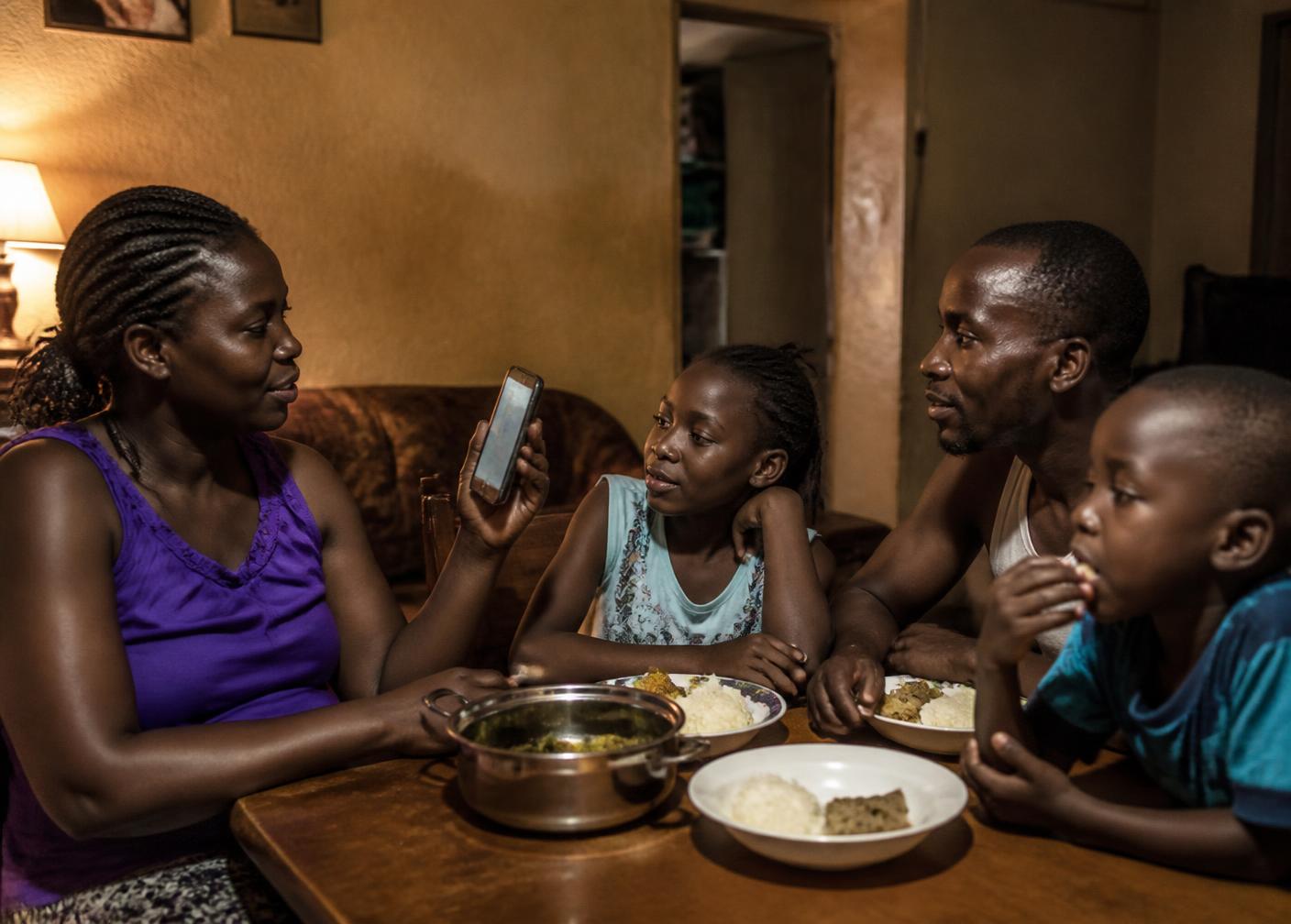
The Yaka is low, rent falls due on Friday, and the maid's pay is logged. One screen, before anyone argues.
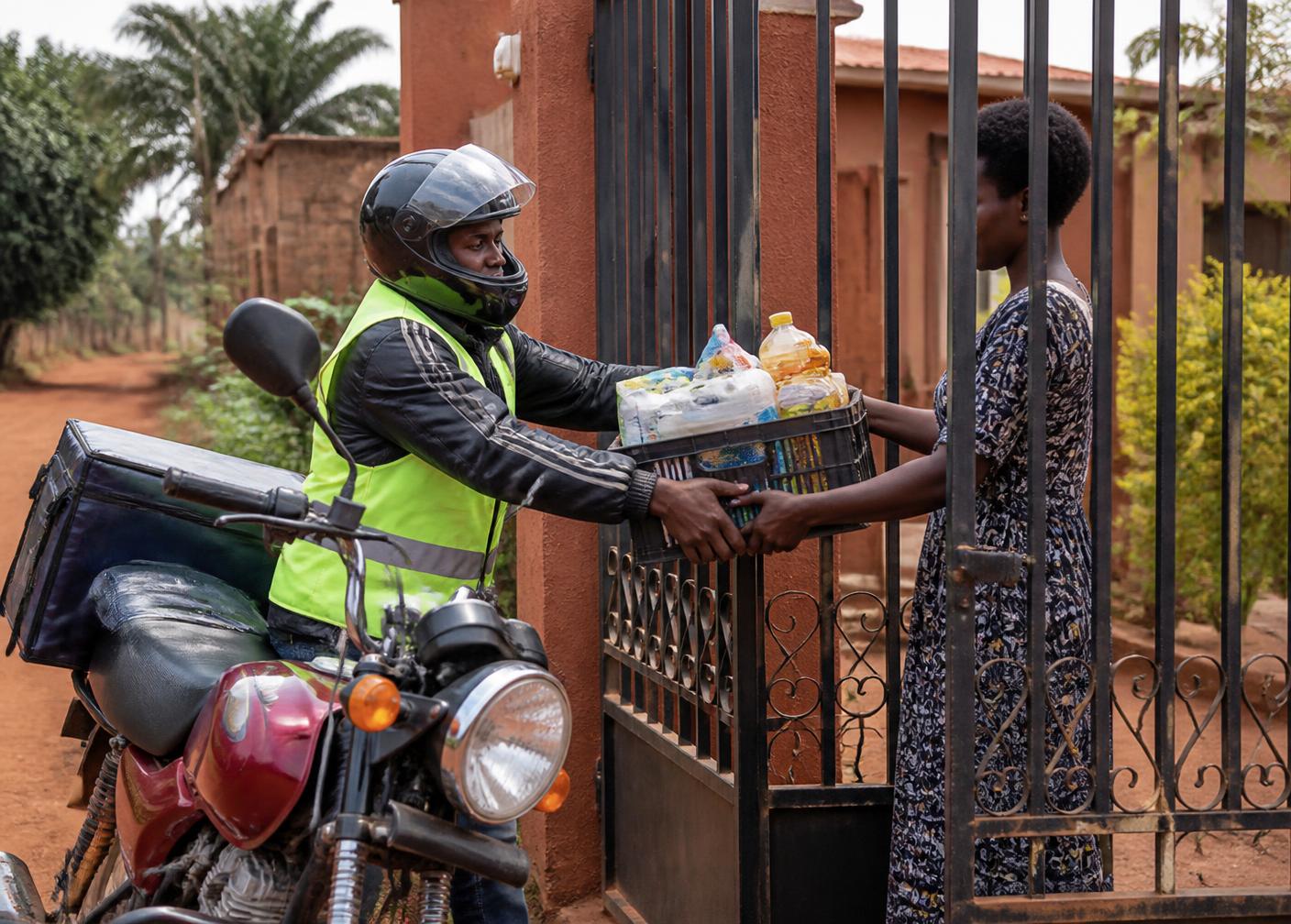
Posho, oil, charcoal — ordered at a price you can check, delivered to the gate, paid only on arrival.
The leak is fixed and photographed. GPS, timestamp, and your own confirmation photo before money moves.
The slab is poured in Gayaza. The funder in Dubai watches the milestone unlock, not a promise on WhatsApp.
Every unit colour-coded by rent status. Notices, receipts and arrears in one place.
Real prices from the market you actually buy in — not a number invented in an office.
The evidence chain
Every photo carries GPS coordinates, a device timestamp and the identity of the person who took it.
Each photo is hashed and chained to the one before it — an immutable evidence chain, the same tamper-proofing idea as a blockchain ledger. Alter one image and every link after it breaks, visibly. Evidence cannot be quietly replaced, deleted or back-dated, by a fundi, a landlord or by TruHab itself.
It binds to the job, the stage or the tenancy it belongs to — never floating in a WhatsApp group.
An LC1 official, an engineer, a family elder or a chama can digitally co-sign the set.
Only a complete, confirmed evidence set moves money out of the bank escrow account.
Everything is exportable — a property dossier for a bank, a court, a buyer or URA.
Capture evidence with no network. It queues on the device and syncs the moment a bar appears — built for sites where data dies.
Full voice control, not a half-translated menu. Speak the request, hear the confirmation.
Runs on the phones people actually own, with data-light image handling.
Any receipt, notice, ledger or progress recap shared in one tap, because that is where families already talk.
Mobile money first, cards second. No one is forced into a bank app.
Your neighbourhood, your chama and your LC1 can stand behind you — real social capital, made portable.
The accountability layer
The Reliability Score is a reward before it is a rule. Reach Top Pro and you get a visible badge buyers filter for, priority dispatch on new jobs, first call on premium work, escrow released in two hours instead of twenty-four — and, once micro-insurance lands, cheaper premiums. Honest fundis have spent years watching cheaper strangers undercut them; this is the ledger that finally pays them for the difference.
The other side exists too. Scored 0–100 on acceptance, completion, on-time arrival, disputes, ratings and verification level — the same philosophy that changed boda riding, applied to fundis, site managers and contractors. Strike points reset every 90 days; the serious violations do not wait for a total.
Score bands
Priority dispatch, visible badge, escrow released in 2 hours, premium jobs
Normal dispatch, standard 24-hour escrow release
Lower priority, fewer leads, mandatory training reminder
Low-value tasks only, weekly performance review
No new jobs, payouts frozen, reactivation by formal appeal
The strike system
Warning
Lower dispatch priority for 7 days
3-day suspension, UGX 10,000 stake forfeited
Account frozen, NIRA re-verification
Permanent deactivation, reported to trade body
Payments frozen, blacklisted, legal escalation
Declining needs a reason. Varied, honest reasons cost nothing — a pattern of refusing one neighbourhood does.
A dispute freezes the escrow and sends a TruHab Inspector. Appeal within 48 hours; serious cases go to the Trust Council, whose decision binds.
Top Pros get a badge, priority dispatch, premium jobs, 2-hour payouts and — once micro-insurance lands — cheaper premiums.
Why the pillars compound
A single-purpose competitor has to win the hardest sale on day one. TruHab does not. Home services are the cheap, frequent, low-risk entry point — and every completed job deposits evidence, identity and reliability data that makes the next, larger decision easier to trust. The ladder only climbs in one direction.
A blocked drain. A dead socket. A salon appointment. Small, cheap, urgent — the moment a stranger first trusts TruHab with UGX 30,000 and watches the escrow release on photo proof.
Days to first value
That one repair becomes the rental unit, the maid's NSSF record, the chama goal, the Yaka balance, the tenant's lease. The app stops being a service and becomes the place the household's money is recorded.
Weekly habit
When the same family casts a slab in Gayaza with UGX 80,000,000 of diaspora money, they do not shop for a platform. They use the one that already has their evidence, their fundis and their score.
Years of lock-in
No subscription. Ever.
TruHab earns a commission only when a job is completed and the evidence releases the escrow. No monthly fee, no listing fee, no boosted-profile fee, no charge for a lead that went nowhere. If you do not earn, we do not earn — which is the only pricing a mason with an unpredictable month can honestly accept.
The compounding asset
Every tier feeds the same three ledgers: verified identity, sealed evidence and the Reliability Score. A landlord’s repair history proves the building. A fundi’s job history proves the person. A family’s payment history proves creditworthiness to a bank that would otherwise see nothing at all. That record cannot be copied by a competitor — it can only be earned, one small job at a time.
The Promise Escrow
Construction rarely waits for the full amount to be on hand. It waits for an approved loan, a relative abroad, a tenant about to move in, land already sold. The client says start; the contractor — burned before — hesitates; the site stalls. All the risk sits with the person doing the work. A Promise Escrow moves that risk onto a bank-verified account link.
Not a vague promise — a named account. The salary account at Stanbic, the Centenary account a loan will be disbursed into, the account a relative abroad sends to, or where sale proceeds will land.
TruHab submits a verification request. The bank confirms the account belongs to the client, that the incoming funds are traceable, and the expected amount and timing.
When the money lands, the bank moves the owed amount to the escrow account first — before the client can touch the rest. The same check-off mechanic SACCOs already use.
Before lifting a single block, the fundi sees the assurance level — never the client's account details.
Salary, loan tranche, remittance or sale proceeds arrive; the transfer executes with no reminder, no chasing, no phone call.
Paid out against engineer sign-offs, photo evidence and GPS attendance, exactly like ordinary construction escrow.
The bank confirmed the account and the mandate is live.
A full phase of work may begin — the whole foundation.
Funds declared, paperwork not yet confirmed by the bank.
Small sub-milestones only, each needing fresh evidence.
A Promise Score plus LC1 co-signing or chama vouching, no bank link.
Only cheap, reversible work — clearance, surveying.
If the money never arrives
Worked example — Mukono
A developer holds land in Mukono and a UGX 50 million Centenary loan approved in three tranches — but no cash today. He opens a Promise Escrow, declares the disbursement account and submits the approval letter. Centenary confirms it and registers the sweep. Status moves to Tier A, and the contractor agrees to the full foundation phase. When tranche one is released, the sweep executes: the contractor is paid, the supplier is paid, wages are distributed against GPS attendance, 5% is retained — and a combined engineer, materials and attendance report goes back to Centenary to unlock tranche two.
At no point did anyone have to rely on the developer's word alone.
Also: the duka consignment product
The same mechanic describes the classic shop-and-supplier consignment. A supplier lists stock for a duka; the duka links its mobile money till as the verified source; as receipts accumulate through the day, an agreed percentage sweeps automatically to clear the debt. Lower risk than construction, and a proving ground for the whole model.
The financial trust layer
The honest hesitation about any platform in this region is simple: where does my money actually sit? The answer is a regulated bank, in an account TruHab cannot draw from — released only when the evidence says the work is done.
Built for here, not ported from elsewhere
Who it is for
For families & residents
For landlords & tenants
For builders & diaspora funders
For fundis & contractors
The rollout
Home services, escrow, evidence capture and the verified fundi network.
Portfolio Health for landlords and tenants, plus pharmacy, doctors and ambulance SOS.
Structural Genesis, Promise Escrow and diaspora funding rails.
Nairobi, Dar es Salaam, Kigali — same trust engine, local rules.
Why it matters
A good mason in Wakiso should not lose work to a cheaper stranger with no record. A tenant in Kireka should not lose a deposit because nobody photographed the wall. A family funding a house from Dubai should not have to fly home to see whether the slab was cast. TruHab makes the honest version of every deal the easiest one to do.
Kampala, Uganda · we answer in English, Luganda and Swahili.